

+86 571 8659 2517

+86 180 5841 8258

info@zmuni.com


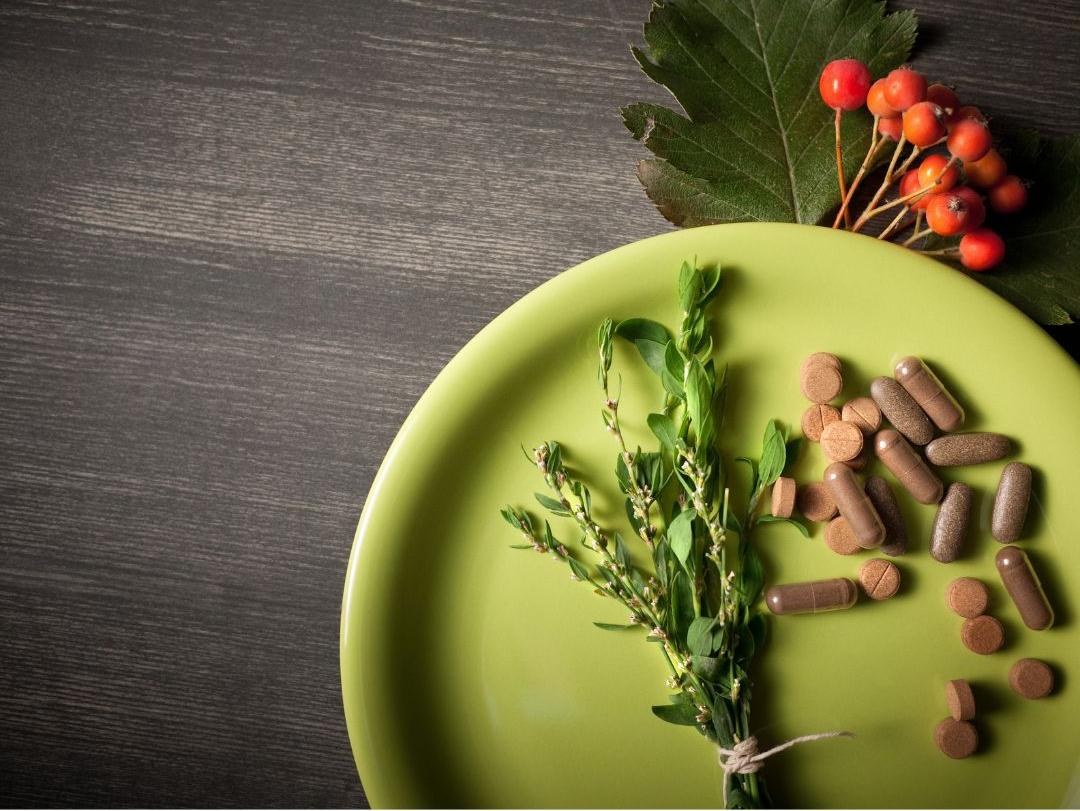
On August 26, 2024, the National Center for Food Safety Risk Assessment of China released a collections of FAQs, addressing common questions about "Three New Foods" and food-drug substances. The collection highlighted key issues related to 25 new food ingredients, new varieties of food additives, and food-drug substances. ZMUni Compliance Centre has selected a few typical issues from the collection to share here, aiming to assist international stakeholders looking to enter the Chinese market. Q1: What are "Three New Foods" and How Does China Manage Them? A: As defined in Article 37 of the Food Safety Law, "Three New Foods" includes: Category
On September 13, 2024, the National Medical Products Administration (NMPA) of China issued a public notice revealing that a Spanish cosmetic company is suspected of using the prohibited ingredient "Diflorasone Propionate" in its products. To Ensure Public Safety in Cosmetic Use, China NMPA has ordered a suspension of sales of the company’s implicated products in China. The misuse of prohibited and restricted cosmetic ingredients is a common violation in China. These practices pose significant risks to consumer health and undermine market integrity. In response, regulatory authorities are continuously tightening enforcement measures to ensure compliance and uphold product safety

In the first half of 2024, Chinese cosmetic ingredient enterprises demonstrated steady and impressive performance, in contrast to the significant fluctuations seen by international giants. Despite an overall sluggish consumer market, leading personal care and ingredient enterprises maintained solid growth momentum. In the competitive Chinese cosmetic ingredient market, recombinant collagen has emerged as a standout ingredient. In terms of ingredient types, plant-based and chemical ingredients are now on equal footing. Chinese companies are increasingly exploring China’s unique plant resources, leveraging differentiation strategies to unlock the potential of plant extracts and establish strong product barriers. So far, Chinese cosmetic ingredients enterprises have

On September 13, 2024, China's National Center for Food Safety Risk Assessment, under the National Health Commission, issued a notice regarding the improvement of safety evaluation data requirements for "three new foods (new food additive, food ingredients, and food contact materials)." The release of this new regulation signifies a comprehensive opening for the application of synthetic biology new materials in the food sector! Table 1. Compliance Pathways for Genetically Modified Microorganisms(GMM) in the Food Sector Type Approval Year Approval Authority Genetically Modified Microbial Enzymes 2017 Ministry of Agriculture and Rural Affairs is responsible for safety assessment; The National Health Commission oversees product
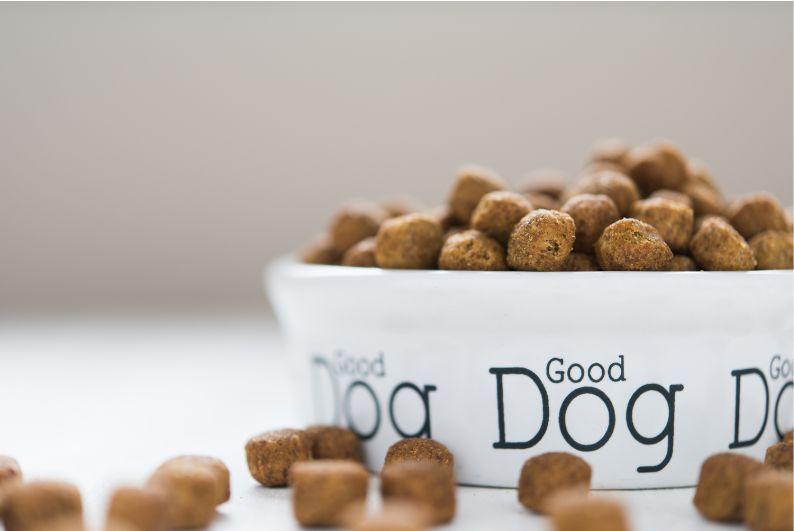
Pet Economy Boom in China In recent years, China's "pet economy" has seen rapid growth, fueled by expanding consumer demand and investment. According to the 2023-2024 China Pet Industry White Paper, the number of pet dogs reached 51.75 million in 2023, up 1.1% from 2022, while pet cats grew to 69.8 million, a 6.8% increase. This steady rise in pet ownership reflects the growing potential of China’s pet market, offering significant opportunities for future growth. Year Dog (million) Cat (million) 2020 52.22 48.62 2021 54.29 58.06 2022 51.19 65.36 2023 51.75 69.80 Table 1: Changes in Dog

On Aug. 26th, 2024, ZMUni Compliance Centre hosted a webinar titled “Towards Cruelty-Free Cosmetics: Exploring China's Compliance Requirements for New Cosmetic Ingredients of HoSU and Polymers” presented by our Senior Compliance Consultant Lolita Yang and Regulatory Analyst Kimberly Jin. In the previous episodes, we covered the key highlights of the Animal Testing Alternatives in China and NCI with a focus on the History of Safe Use section from the webinar. Today, we'll wrap up with the final section, highlighting NCI of polymers and important points to note for NCI applications, as presented in the webinar. | Polymers
On Aug. 26th, 2024, ZMUni Compliance Centre hosted a webinar titled “Towards Cruelty-Free Cosmetics: Exploring China's Compliance Requirements for New Cosmetic Ingredients of HoSU and Polymers” presented by our Senior Compliance Consultant Lolita Yang and Regulatory Analyst Kimberly Jin. This webinar focused on the following five key parts: 1.Background: Get Ready for China’s NCI Regulatory Regime 2.China to Accept Animal-alternative Test Data under Specific Conditions 3.Understanding the Application under Situation 3 and 5, NCI with HoSU 4.Understanding the Application under Situation 6, NCI of Polymer 5.Points to Note for NCI Application in China The
This article focuses on summarizing the regulatory developments related to food within China and internationally in August 2024, with an emphasis on updates in regulations concerning new food ingredients, food additives, feed additives and special foods. China Food Regulatory Updates | New Food Ingredients & Food Additives On August 5, 2024, China's National Health Commission (NHC) announced the approval of three new food ingredients (Arabinoxylan, Bifidobacterium longum subsp. infantis M-63, N-acetylglucosamine) and four new varieties of food additives (Hydroxytyrosol, Methylene chloride, 2'-fucosyllactose, Polyglycerol polyricinoleate (PGPR). On August 26, 2024, the National Center for Food Safety Risk Assessment (CFSA) released an
+86 571 8659 2517
+86 180 5841 8258
info@zmuni.com